 Skip to
main content
Skip to
main content
Common Problems Reported for the Toyota RAV4 – Is it a Lemon?
The Toyota RAV4 is one of the most popular compact SUVs on American roads, praised for practicality, efficiency, and everyday comfort across gas, hybrid, and Prime variants. Its reputation for reliability is well-earned, but even top sellers can sometimes develop defect patterns in specific model years. This page covers Toyota RAV4 models from 2001 to the present, with particular attention to 2020–2025 vehicles, which have seen more frequent owner complaints and manufacturer fixes.
Think you have a RAV4 lemon? Let Strategic Legal Practices help: fill out our free case evaluation form to get started.
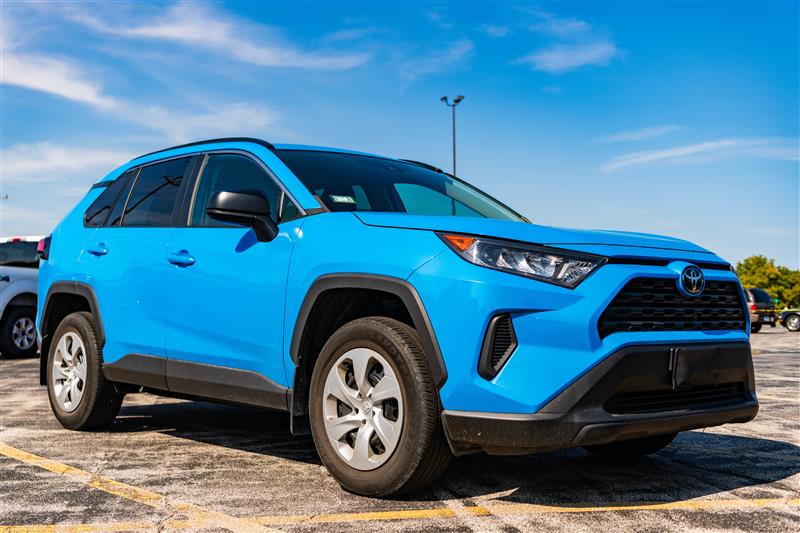
Common Toyota RAV4 Issues
- Transmission problems: Some earlier models had rough or jerky shifting because the vehicle’s computer wasn’t working well with the transmission. Newer generations have drawn complaints about low-speed hesitation or a persistent lurching feel. If you’re noticing rough shifts, delayed engagement, or surging, make sure to take note of when it happens, whether software updates were installed, and how the vehicle behaves before and after service.
- Engine issues: Certain four-cylinder engines have been known to burn too much oil, which means drivers may need to add oil more often between changes. Drivers have also reported intermittent stalling or rough running related to broader fuel-system problems. Keep close tabs on oil levels and request a documented consumption test if you find yourself needing to refill between services.
- Electrical failures: Owners have reported frozen infotainment screens, sporadic sensor faults, and unexpected 12-volt battery drain. Some vehicles required updated telematics or infotainment firmware; others needed revised battery hardware. If you experience unexplained power loss or repeated dead batteries, ask the dealer to check for open campaigns and software updates.
- Brake & suspension concerns: Light-to-moderate brake squeal has been common on certain recent model years and is often addressed with updated pads or procedures. Older models faced rear suspension hardware issues that, if unaddressed, could affect alignment and stability. Persistent brake noise, uneven tire wear, or wandering steering merit a professional inspection.
- Fuel system & efficiency problems: Affected vehicles have shown fueling behavior where the pump clicks off early and the gauge doesn’t read “full,” as well as issues tied to in-tank fuel pumps that can cause rough running or stalling. Depending on the build date, remedies may include a revised tank, sender unit, or pump module. If range estimates seem off after refueling, ask your dealer to review applicable bulletins.
Manufacturer Recalls & Service Bulletins
Toyota and NHTSA maintain active databases for safety recalls and technical service bulletins affecting the RAV4. For 2013–2018 models, Toyota addressed a potential fire-risk condition involving replacement 12-volt batteries by revising the hold-down clamp, tray, and terminal cover. Select 2019 RAV4 Hybrid vehicles were recalled for brake-booster pump non-compliance that could reduce assist and disable stability control; the repair replaces the pump with an updated unit.
Across several model years, Toyota and its suppliers also addressed low-pressure fuel pump concerns that can cause stalling or hard starting, with dealers installing an improved in-tank pump. In addition, Toyota has published service procedures to reduce front-brake noise on many 2019–2025 vehicles. If you’re unsure which actions apply to your SUV, ask the dealer to run your VIN and confirm any open recalls or bulletins.
Is your Toyota RAV4 a lemon?
“Lemon Law” is a shorthand for state statutes that protect buyers or lessees when a vehicle under the manufacturer’s warranty has significant defects that persist despite numerous repair opportunities. In California, those protections come from the Song-Beverly Consumer Warranty Act. While every case is fact-specific, the basic idea is relatively straightforward: if a warranty-covered problem materially impairs use, value, or safety and the manufacturer can’t fix it within a reasonable window, you may be entitled to a repurchase, replacement, or cash compensation.
Knowing your rights as a consumer is essential to making informed decisions and protecting yourself from unnecessary financial loss. Keep your repair orders, track days out of service, and document repeat symptoms. Those records form the backbone of any lemon claim in California or other states.
How a Lemon Law Attorney Can Help
Strategic Legal Practices is dedicated to battling corporations and defending drivers like you. An experienced Lemon Law attorney can evaluate your history, line up the right technical evidence, and press the manufacturer for a buyback, replacement, or a fair cash settlement. Under state laws, prevailing consumers are often able to recover attorneys’ fees and costs from the manufacturer, which is why many cases can be handled with no out-of-pocket legal fees to you.
Strategic Legal Practices has faced Toyota before, and won! Now you can put our Lemon Law specialists on your team. Call 888-757-5366 or complete our free online evaluation to learn whether your Toyota RAV4 qualifies for compensation under state law.