 Skip to
main content
Skip to
main content
Common Problems Reported for the Honda CR V – Is it a Lemon?
The Honda CR‑V is a top‑selling compact SUV known for space, efficiency, and everyday dependability. Still, even well‑rated models have patterns of trouble in certain years. This page covers recent Honda CR‑V model years where owners have reported more issues. Recent generations have demonstrated strong reliability marks overall, but it’s still important to know the warning signs and what Honda has done to address any major problems.
Even though the CR-V is a generally well received vehicle, you could still be driving a lemon. To get started with the process, contact Strategic Legal Practices by filling out our free case evaluation form.
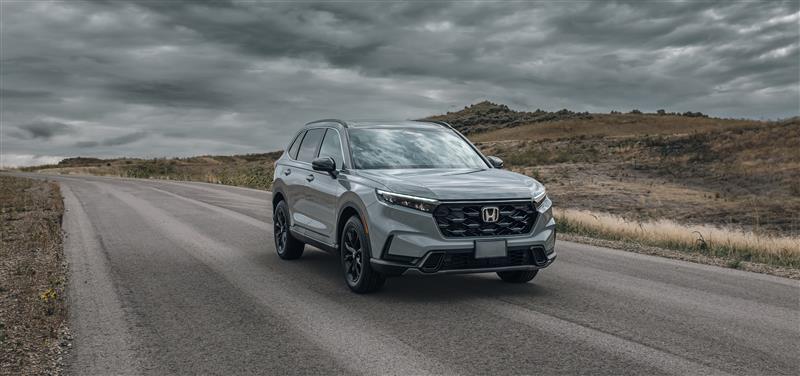
Common Honda CR‑V Issues
- Transmission problems: Some older CR‑Vs can feel rough or jerky when they shift. In other cases, drivers have complained about vibration at idle or while cruising. Honda released a detailed service bulletin to reduce the vibration with software updates and certain parts changes. If your CR‑V shudders, surges, or hesitates, note when it happens and ask the dealer if these updates apply to your model.
- Engine issues: Some 2017–2018 CR‑Vs with the 1.5‑liter turbo engine experienced “gas in oil” (known as fuel dilution), which can cause a fuel smell, rough running in cold weather, and possible engine misfires. Honda issued a product update for certain regions and extended warranty coverage on affected engines. If you notice rising oil levels or fuel odors, be sure to ask about the oil‑dilution update and warranty extensions.
- Electrical failures: Owners have reported frozen or glitchy infotainment screens and batteries that drain unexpectedly. On some models, Honda addressed a software problem that sometimes draws power from the battery after shutdown; dealers were instructed to update the control software. If your screen locks up or the battery keeps dying, document the issues and ask the dealer to check the vehicle’s software.
- Brake & suspension concerns: Honda recalled older CR‑Vs in cold‑weather/salt states to address rear frame corrosion that can affect the trailing arm connection, in which dealers inspect and repair as needed to keep the suspension secure. If you hear clunks, notice pulling, or see unusual tire wear, schedule an inspection and mention this particular recall.
- Fuel system & efficiency problems: Several CR‑V years are covered by fuel‑pump recalls that can lead to stalling or, worse yet, the engine not starting at all; dealers replace the in‑tank pump module with an improved part. More recently, certain 2023–2025 CR‑V hybrids were included in a separate recall for high‑pressure fuel pumps that could crack and leak; Honda inspects and replaces parts as needed. If your CR‑V hesitates, stalls, or smells like fuel, ask the dealer to check for open campaigns.
Manufacturer Recalls & Service Bulletins
Honda and NHTSA maintain active databases for safety recalls and technical service bulletins affecting the CR‑V. For 2017–2020 models, Honda addressed front seat‑belt buckles that might not latch properly, replacing components as needed. Several model years saw in‑tank fuel‑pump replacements to fix stalling and no‑start issues. To see what applies to your SUV, use Honda’s official recall lookup or ask your dealer to run your VIN before your next visit. Be sure to keep your repair orders, track days out of service, and note any problems that seem to continuously be an issue. These records are extremely helpful for your case.
Is your Honda CR‑V a lemon?
What is Lemon Law? This is a general term for state laws that protect buyers and lessees when a vehicle under the manufacturer’s warranty has significant problems that don’t get fixed after numerous repair attempts. In California, those rights come from the Song‑Beverly Consumer Warranty Act. This law states that if a warranty-covered item is defective and unable to be fixed within a reasonable amount of time, consumers have a right to compensation, whether that’s a replacement, refund, or cash settlement.
When you understand your rights, it’s easier to determine your next step and keep unexpected costs down. While each case is unique, if a warranty‑covered defect hurts the vehicle’s use, value, or safety, and it hasn’t been resolved after reasonable repair opportunities, you may be eligible for a repurchase, replacement, or even cash compensation.
How a Lemon Law Attorney Can Help
Strategic Legal Practices is dedicated to battling corporations and defending drivers like you. A seasoned Lemon Law team can quickly review your service history, line up the evidence, and push the manufacturer for a buyback, replacement, or a fair cash settlement. Oftentimes when consumers prevail the manufacturer may be required to pay reasonable attorneys’ fees and costs; importantly, many cases can be pursued with no out‑of‑pocket legal fees. Strategic Legal Practices has faced Honda before, and won! Now you can put our Lemon Law specialists on your team.
Ready to talk? Call 888‑757‑5366 or complete our free online evaluation to learn whether your Honda CR‑V qualifies for compensation under state law.